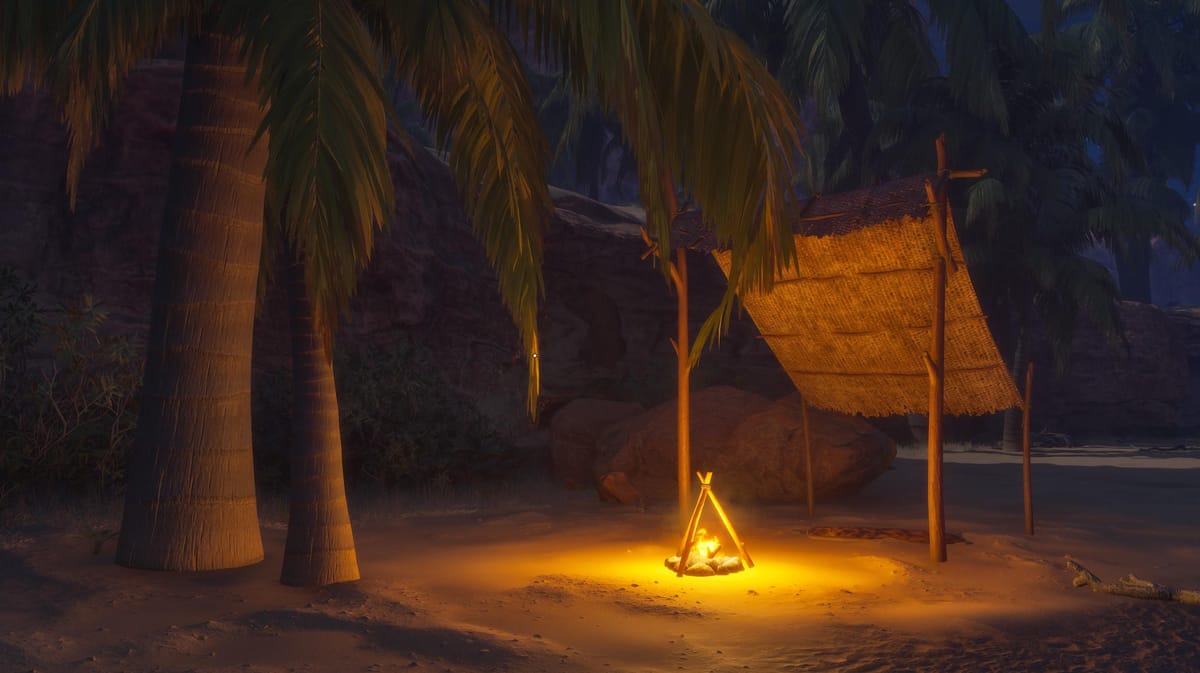
Tip #1: Eat gruel in the beginning.
Gruel provides hunger and some thirst relief. When your hunger or thirst drop to 90% sip on the gruel to refill them or use it keep them topped off. This way the water can be saved to cool yourself off when it is needful or if your thirst drops to fast. The ingredients to cook gruel are plant fiber and seeds which are really easy to gather anywhere. And since you can cook gruel at a campfire, it is a lot easier than making feasts or soups at a stove. Gruel also has a 1 hour and 20 minutes expiration timer which is decent. Plus you can share with your thralls if they run out of food and need to heal. But gruel shouldn't replace Stat foods if you're inclined to use them, now that food can be used sparingly just to refresh the buff instead of just fulfilling hunger or thirst. Eventually soups and feasts become a better option if you enjoy cooking. I tend to eat a lot of feasts and soups scavenged from NPCs corpses and boxes/chests.
Tip #2: Don't forget to put down a bedroll.
When you die you can choose to respawn at your bed, bedroll, or start so placing a bed and bedroll is very important step. If you feel you are at a point where you'd hit the save button in other games then you should probably put a bedroll down. There is nothing more annoying than dying and end up respawning at your bed half way across the map or worse and be all the way back at the very start. Your old bedroll will get destroyed when you put a new one down. Bedrolls should be treated as your mobile throwaway spawn point and beds should be used as your main spawn point. You can attune to a different bed at anytime allowing you to update where you'd like your main spawn point to be. I like to keep beds various places and attune to them if I plan to be in the area for a while. This way I can keep my bedroll more readily available.
Tip #3: Check all chests and boxes.
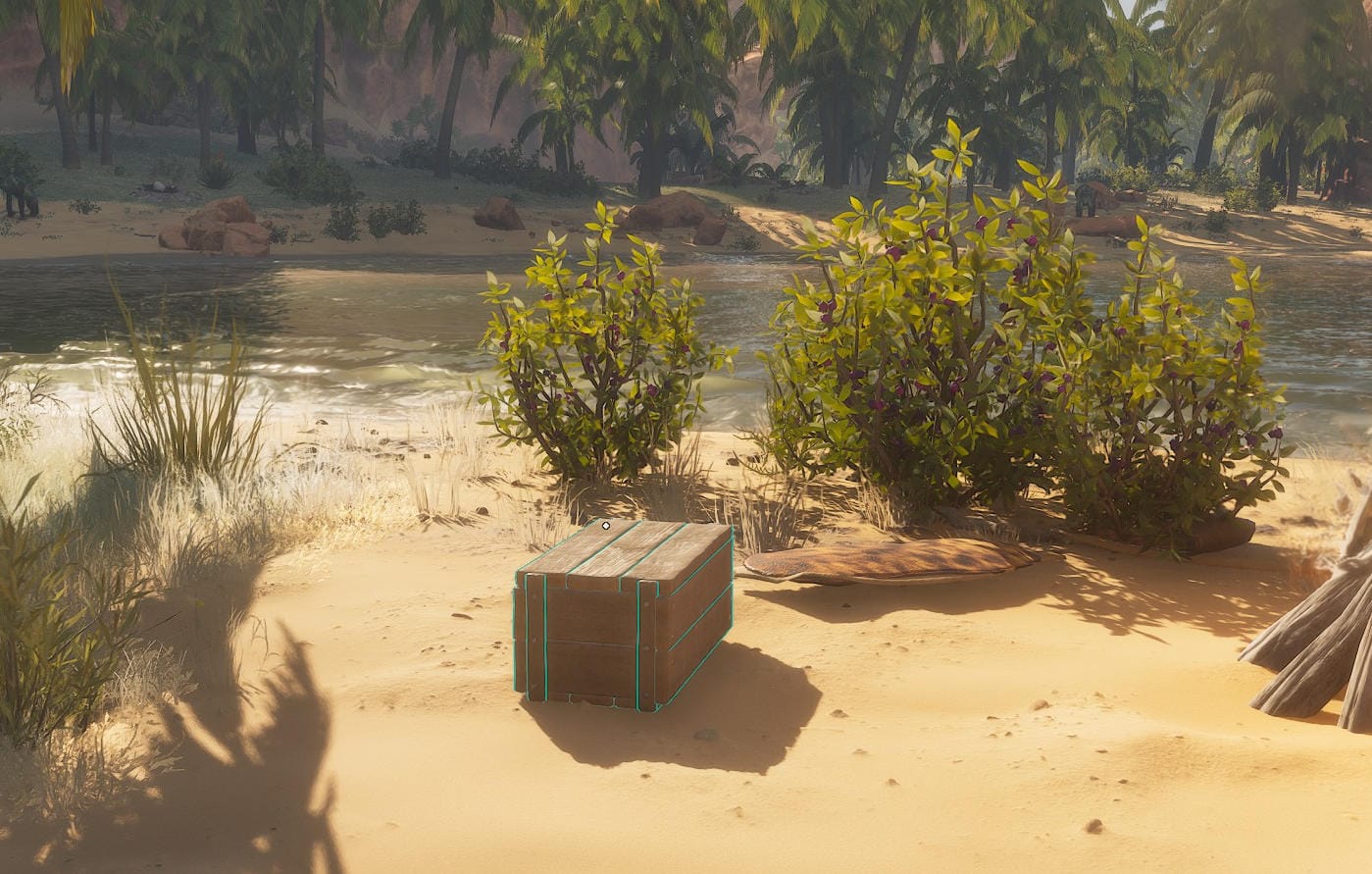
There is a few boxes near the river that are very beneficial when you first start in the Exile Lands. They usually have items like health potions, healing wraps, bedrolls, beds, tents, and some low level crafting materials. The tent is the most useful thing to get from those boxes because it offers sandstorm protection when placed and you are underneath. This way you get the protection sooner than later and not have to spend the Knowledge points to learn tent making or sandstorm & gas mask. Tents can be placed and picked back up without destroying them. Some of the early chests may even have a mask that offers sandstorm and gas protection. As you venture further, boxes will have better loot like weapons, armor, tools, higher tiers of crafting materials, decorations, etc. Most useful from these boxes is the weapons and tools that are usually better than what you can make at your level. When starting on the Isle of Siptah, opening boxes on the beach are very helpful because they usually have wood and stones for building your first place. Of course as you explore deeper onto the isle you'll find chests and boxes that will have a wide variety of useful stuff.
Tip #4: Get an armorer sooner than later.
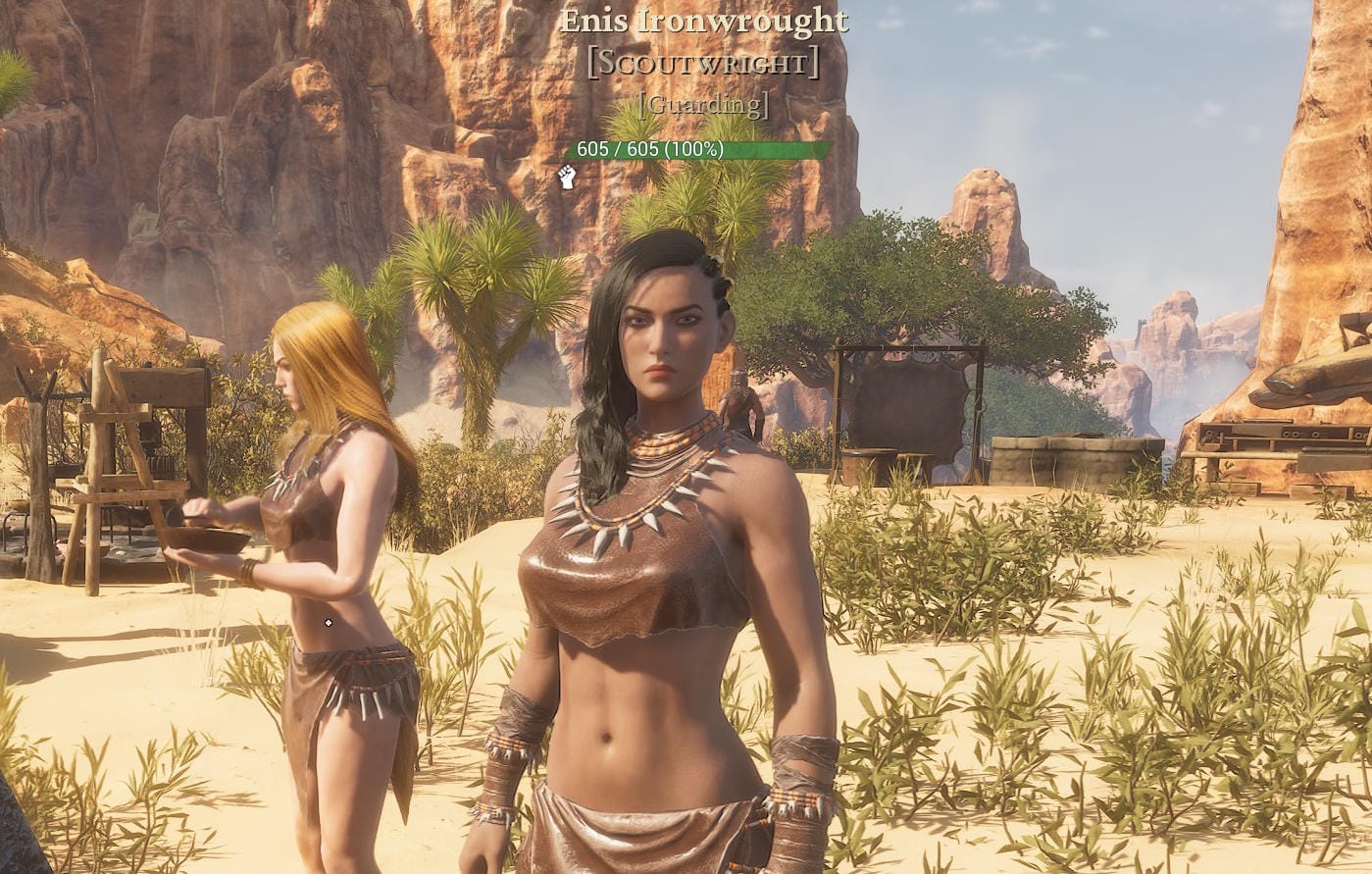
Any armorer thrall gives you access to the Stitch recipe so you can take regular hides with string and turn them into thick hides at a Tanner's Table. In doing so you get to use a higher level crafting material without traveling far from the beginning area to farm it from a mob. With this you are able to craft heavy armor that has a higher armor value sooner for you and your thralls. The better the armor value the more damage reduction you will have against attacks.
Tip #5: Don't compulsively save your repair kits.
I generally use these on the dropped gear and weapons I use while leveling in the beginning. Since it is unlikely I can repair these myself, I just use the kits and take the durability loss. Armor or weapons breaking in the middle of battle isn't ideal. A good portion of the early game play can be done in dropped gear and weapons. Give nearly broken items to your thralls. This is a great use of hard to repair items because thrall equipment and weapons don't take durability loss.
Tip #6: Prepare for extreme heat and cold temperatures.
At first the cold will just make you hungry faster and heat makes you thirsty sooner. Extreme temperatures will kill you if not properly addressed tho. Keep this in mind before you go in the snowy areas and the volcano. There is gear that can be crafted that has better resists stat for either one or equally the same amount for both. Foods and drinks can be made to help warm you up or cool you down too while out adventuring. Drinking water offers a cooling stat effect so if you are already cold you shouldn't drink water. But eating spiced pork gives a warming up stat effect. Being submerged in water also gives a cooling effect. But being near say a furnace or campfire can get to hot and start to reduce your health. Torches will add to cold resist but some special ones are suppose to give heat resist instead.
Tip #7: Evade your enemy by swimming, climbing up high, retreating, or slipping pass.
If you find yourself in a battle you most likely aren't going to win then swim out into a body of water or climb up something to get away. NPCs/Mobs usually reset when they can't fight you anymore. They also reset position if you run them far enough away from their spawn point. It is possible to get a group to reset while you pick off one to keep fighting and kill. You can avoid the sandstorm by being under the water and just pop up for air every so often. The pitfalls are climbing isn't enabled in some places especially dungeons and deep water isn't always available either. Avoiding a battle is a possibility too, sometimes you are able to sneak behind the enemy when their backs are turned or stay out of aggro range all together.
Tip #8: Don't get hit.
I'm not being sarcastic. Like most games you can learn an NPCs/Mobs moves and with the ability to dodge you should be able to avoid getting hit. But for those times dodging isn't the way you can use a shield to block. Sometimes its best to keep on the offensive to keep the opponent from being able to attack. And other times you might want to have your thralls/pets handle it instead.
Tip #9: Carry a bow and a melee weapon.
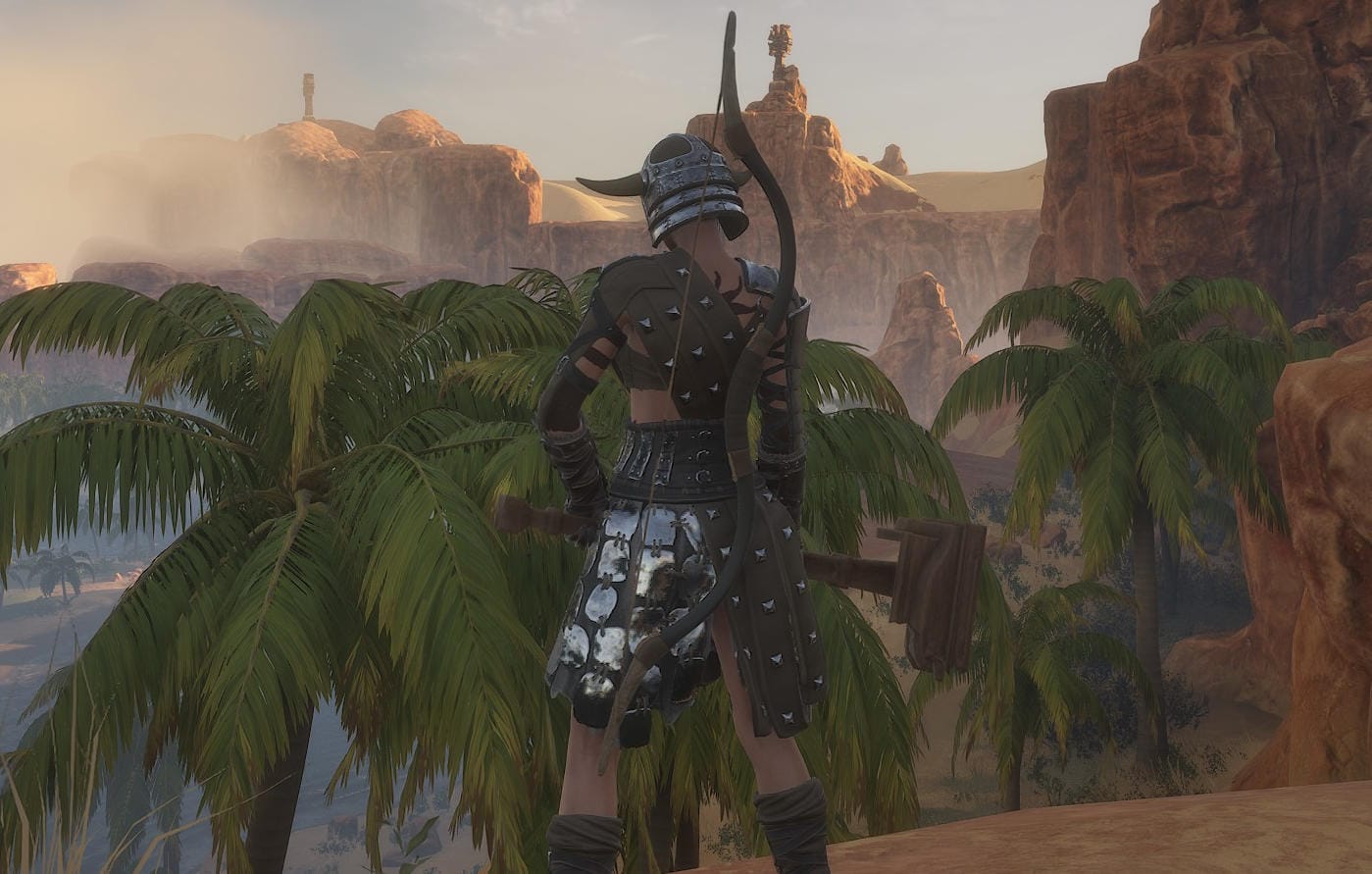
Even if you don't plan on putting points in Agility, it is helpful to have a bow for pulling and hit things from far away. There is definite times you'll need a bow to accomplish things so it is best to be prepared. And even if you are going Agility and want to main a bow, it is still a good idea to carry an Agility melee weapon for close quarters combat situations.
Tip #10: Tame the environment with your builds.
It can be annoying to run into the same set of hyena every time you want to cross somewhere you frequent often. Try building something where they spawn like a guard tower. This will cause them not to spawn again. Another thing is don't be afraid to build steps, use bridges, and try elevators to get around hard to navigate terrain.
 Carrie